Dana Franke · 7 September 2026
Crafting Survival: Material Challenges Reshaping Palune's Workshop Traditions
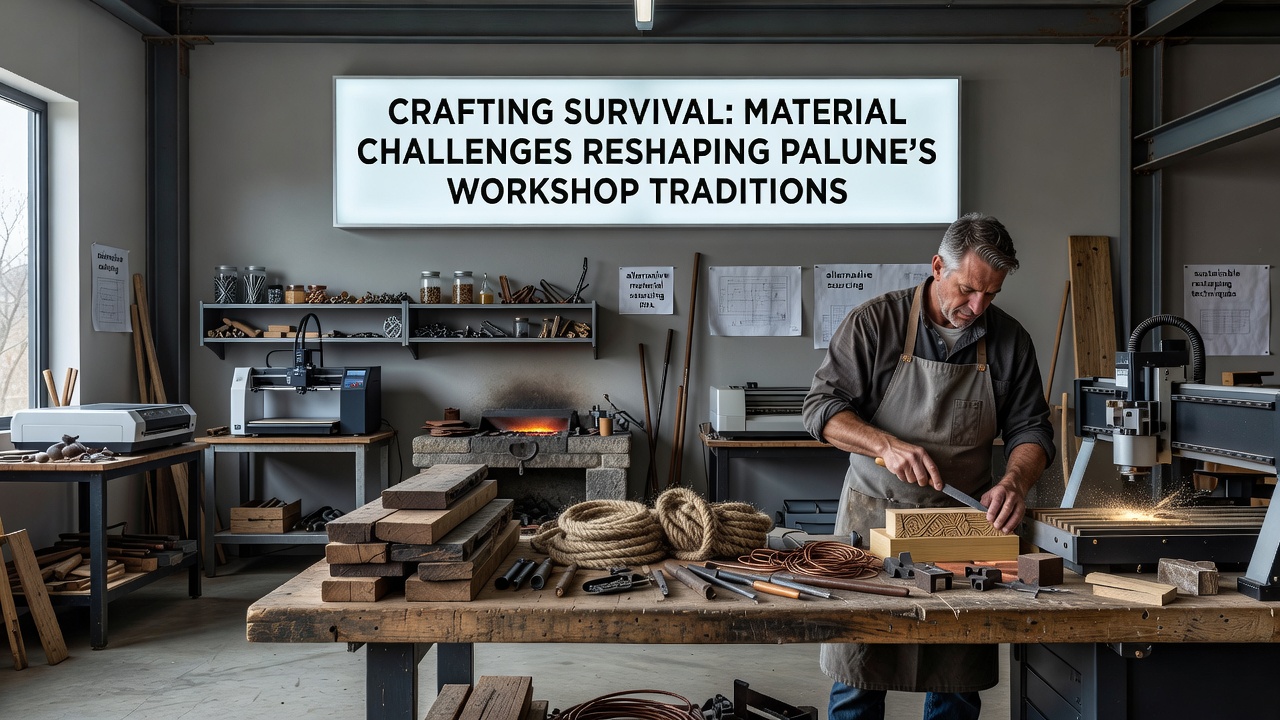
Workshops across Palune have long depended on regionally sourced timber, metals, and fibers to sustain generations of carpenters, blacksmiths, and weavers, yet supply disruptions have accelerated since the early 2020s and continue to force adjustments in daily operations. Data from regional trade records show that imports of specialty hardwoods declined by 28 percent between 2023 and 2025, prompting artisans to explore substitutes while attempting to maintain product quality standards that define local output.
Historical Foundations of Palune Craft
Palune's workshop economy emerged from medieval trade routes that funneled raw materials from surrounding forests and river valleys into clustered artisan districts, and those networks remained largely intact until global market shifts began to erode them. Census figures compiled by municipal archives indicate that more than 340 active workshops operated in the region as recently as 2018, with the majority specializing in furniture, agricultural implements, and textile goods that relied on oak, beech, and locally mined iron ore. Observers note that seasonal harvesting cycles once aligned with community festivals, allowing apprentices to learn material selection directly from suppliers who delivered stock on predictable schedules.
Supply Pressures and Resource Scarcity
Climate variability has reduced viable timber stands in nearby woodlands, while export restrictions imposed by neighboring jurisdictions have limited access to high-grade steel alloys essential for tool-making. A 2025 assessment prepared by the European Raw Materials Alliance documented that procurement costs for primary inputs rose an average of 41 percent across similar European craft communities during the preceding three years, and Palune workshops experienced comparable increases. Artisans report that certain finishes previously derived from local resins now require sourcing from distant suppliers, which extends lead times from weeks to several months and disrupts production calendars tied to seasonal markets.
Those who've studied inventory patterns at Palune's largest cooperative found that stockouts of specific grades of leather and linen occurred 17 times in 2024 alone, forcing temporary halts in upholstery and garment lines. Meanwhile, regulatory changes scheduled for implementation in September 2026 will introduce new traceability requirements for all wood products entering the European market, requiring workshops to document origin chains that many smaller operations currently lack the administrative capacity to maintain.
Adaptation Strategies Emerging in Workshops
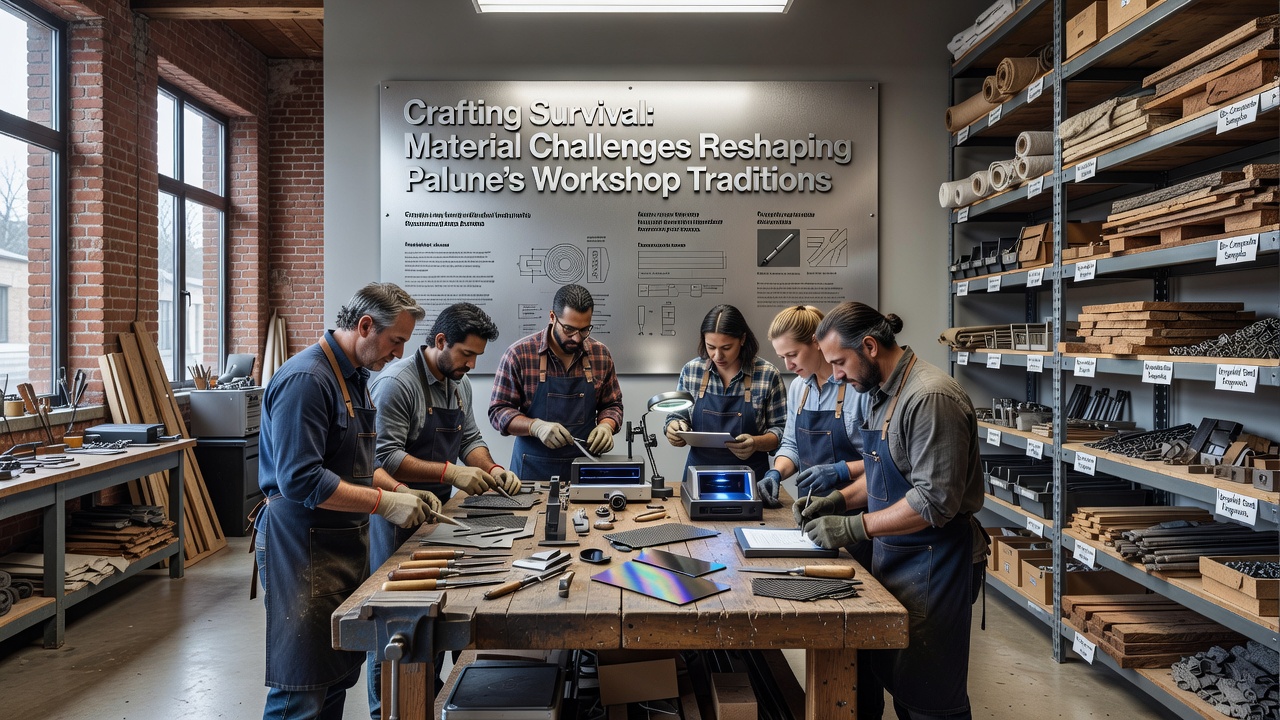
Many workshops have begun testing composite materials and recycled metals that meet durability thresholds without relying on traditional supply lines, and pilot programs coordinated through the Palune Craft Guild have recorded success rates above 65 percent in bench tests for structural integrity. One cooperative replaced imported walnut with thermally modified local pine treated through a process developed at a Canadian research institute, resulting in furniture lines that retain aesthetic appeal while cutting material expenses by nearly a third. Another group integrated flax grown on repurposed agricultural plots within the river valley, reducing dependence on overseas textile fibers that previously accounted for 22 percent of annual expenditures.
Training programs launched in partnership with vocational schools now emphasize material science alongside traditional techniques, and enrollment in these modules increased 54 percent from 2024 to 2025 according to guild enrollment data. These initiatives allow apprentices to evaluate substitute inputs using standardized testing protocols rather than relying solely on inherited knowledge passed down through master-apprentice relationships.
Community and Economic Ripple Effects
Reduced material availability has shifted employment patterns, with several workshops consolidating into shared facilities that pool purchasing power and equipment. Employment statistics released by the regional labor office show a net loss of 47 independent workshop positions between 2023 and 2025, offset partially by the creation of 29 roles in collaborative production hubs. Retailers report that lead times for custom orders have lengthened from an average of six weeks to eleven weeks, prompting some buyers to explore mass-produced alternatives while loyal customers continue to support local makers through advance payment schemes.
Research conducted by the University of Bologna's heritage crafts laboratory examined comparable transitions in Italian and Spanish artisan communities and found that workshops adopting digital inventory systems experienced 30 percent fewer stock disruptions than those relying on manual ordering. Palune participants in similar pilot programs have begun integrating these tools, although adoption remains uneven across smaller family operations.
Looking Ahead
Industry projections prepared by the World Crafts Council indicate that material sourcing pressures will persist through at least 2028, yet workshops that diversify input streams and document compliance pathways stand to maintain viability. Palune's municipal economic development office has allocated funding for shared testing laboratories scheduled to open in early 2027, providing access to certification equipment previously available only through external consultants. These facilities are expected to support the verification processes required under the forthcoming September 2026 regulations while enabling continued experimentation with locally abundant alternatives.
Conclusion
Material challenges continue to influence every stage of production in Palune's workshops, from initial design choices through final delivery, and the adaptations underway reflect coordinated responses across individual artisans, cooperatives, and supporting institutions. Records maintained by trade associations demonstrate measurable shifts in material selection and operational scale, while ongoing research partnerships supply data that inform further adjustments. The combination of regulatory deadlines, supply variability, and skill development programs shapes the trajectory for these traditions, with outcomes dependent on sustained collaboration among the parties involved.