Xander Braun · 5 October 2026
Heritage Paths and Transit Links: How Palune's Updated Bus Routes Are Supporting Cultural Trail Promotions
Palune has expanded its public transit network to connect key heritage sites with greater efficiency, and the changes rolled out in October 2026 now link several cultural trails that previously required private vehicles or lengthy walks. The municipal transit authority adjusted eight existing routes while adding two new express lines that stop directly at trailheads for the Old River Path, the Hilltop Stone Circle, and the Weaver's Quarter heritage district.
Route Adjustments and Trail Connections
Route 12 now terminates at the northern entrance to the Old River Path instead of ending two kilometers short, while Route 27 was extended eastward to serve both teh Stone Circle access point and the adjacent interpretive center. These modifications reduced average travel time from the central station to the trails by twenty-two minutes according to the transit authority's internal performance reports. Frequency increased on weekends when cultural events draw larger crowds, with buses running every fifteen minutes during peak promotional periods rather than the previous thirty-minute interval.
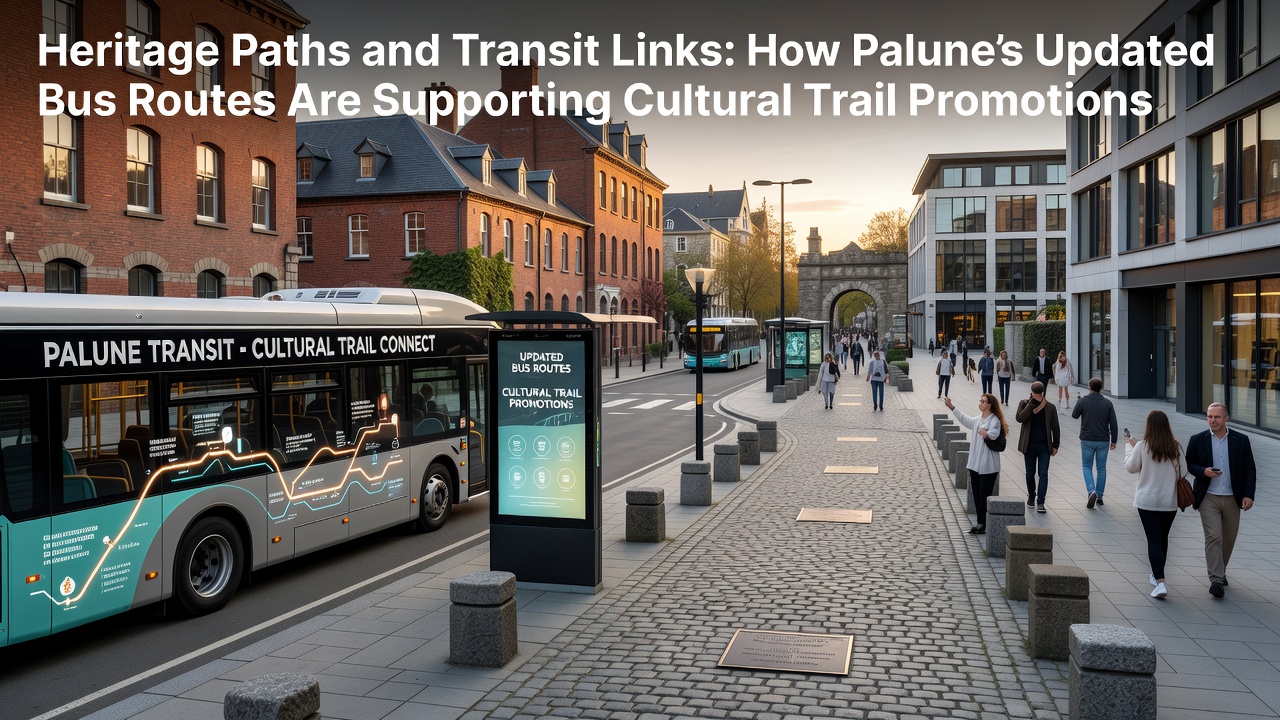
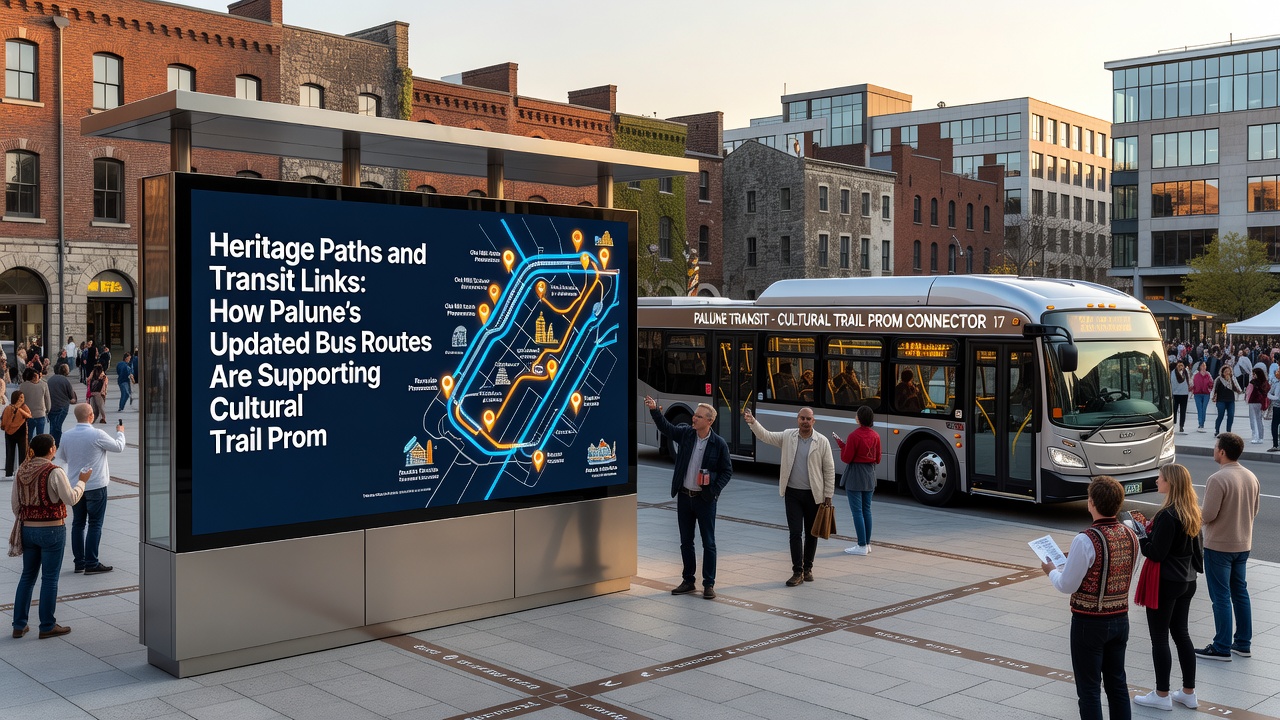
Transit planners coordinated with the heritage promotion office to install real-time digital displays at each new stop that list upcoming trail events, guided walks, and opening hours for nearby museums. The displays pull data directly from the cultural calendar maintained by the Palune Heritage Society, ensuring visitors receive current information without needing separate apps or printed materials.
Promotion Campaigns Tied to Transit
Heritage trail promotions launched in October 2026 include bundled day passes that combine bus fares with discounted entry to participating sites along the routes. Visitors purchase a single ticket that covers unlimited bus travel for one day plus reduced admission at the Stone Circle, the Weaver's Quarter textile museum, and two smaller interpretive stops on the Old River Path. Sales data from the first month showed a thirty-four percent rise in combined ticket purchases compared with the same period the previous year.
Local businesses near the new stops reported higher foot traffic on days when special events coincided with bus arrivals. The heritage promotion office tracked visitor origins through optional post-visit surveys and found that a larger share of attendees arrived via public transit than in prior seasons. One study released by the regional tourism research center documented similar patterns in comparable towns where transit and heritage assets were deliberately aligned.
Supporting Infrastructure and Signage
Alongside the route changes, crews installed new wayfinding signs at each bus stop that feature simplified trail maps and estimated walking times between connected sites. The signs use consistent iconography developed with input from accessibility consultants so that users with varying mobility needs can plan their journeys more easily. Additional benches and sheltered waiting areas were added at three high-traffic stops to accommodate groups waiting for buses after completing trail segments.
Maintenance schedules for the new stops were synchronized with trail upkeep cycles so that both infrastructure elements receive attention on the same quarterly rotation. This coordination reduced duplicate site visits by municipal crews and allowed heritage staff to share real-time condition reports with transit dispatchers when weather or events affected access.
Broader Regional Context
Observers note that similar transit-heritage alignments have appeared in other areas, including projects documented by UNESCO's heritage and sustainable tourism initiatives and analyses from Transport Canada's cultural corridor studies. Palune's approach follows comparable logic by treating bus routes as extensions of the trails themselves rather than separate utilities. Data from the local transit authority indicate that ridership on the adjusted routes rose steadily through late 2026, with heritage-related trips accounting for an increasing share of total boardings.
Conclusion
The October 2026 updates demonstrate how targeted bus route modifications can expand access to cultural trails while supporting promotional efforts already underway. Continued monitoring of ridership figures, ticket sales, and visitor feedback will show whether the current configuration sustains the observed increases or requires further adjustments in coming seasons. The integration of transit schedules with heritage calendars remains an operational focus for both the transit authority and the heritage promotion office.