Uma Foster · 19 October 2026
Roadworks Reveal Rome: Palune Museum Displays Artifacts as Regional Transport Gets an Upgrade
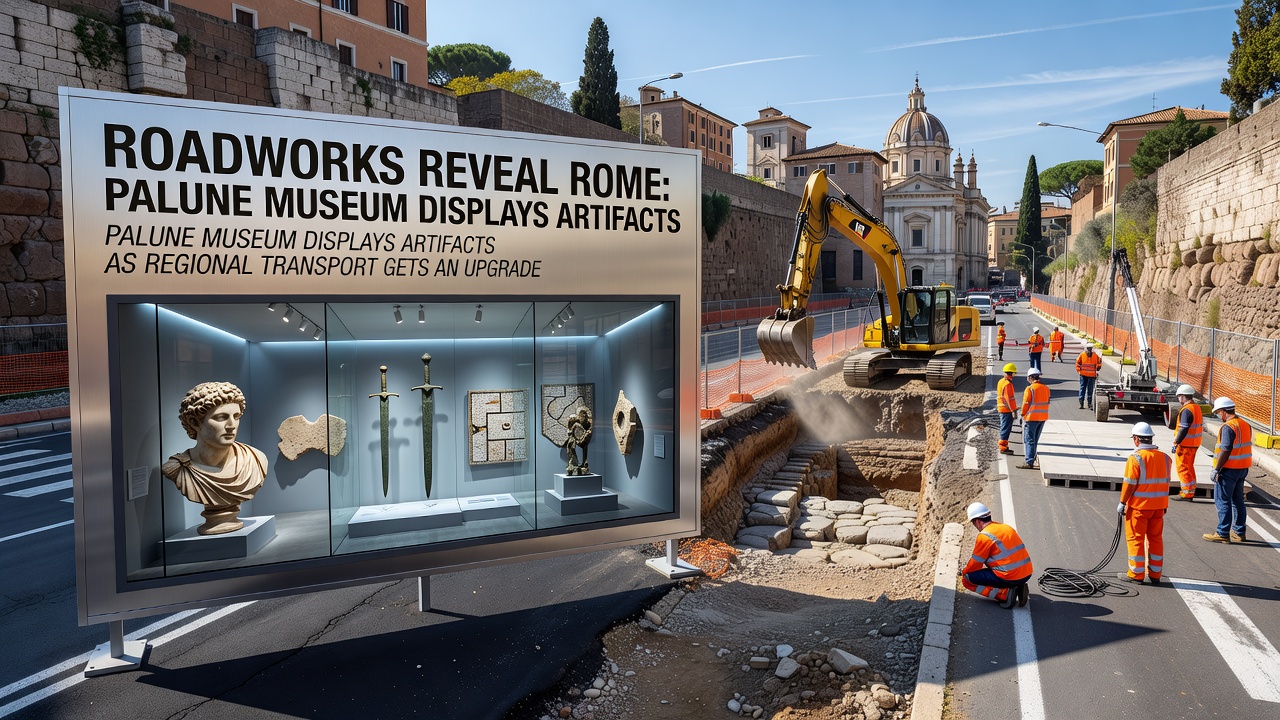
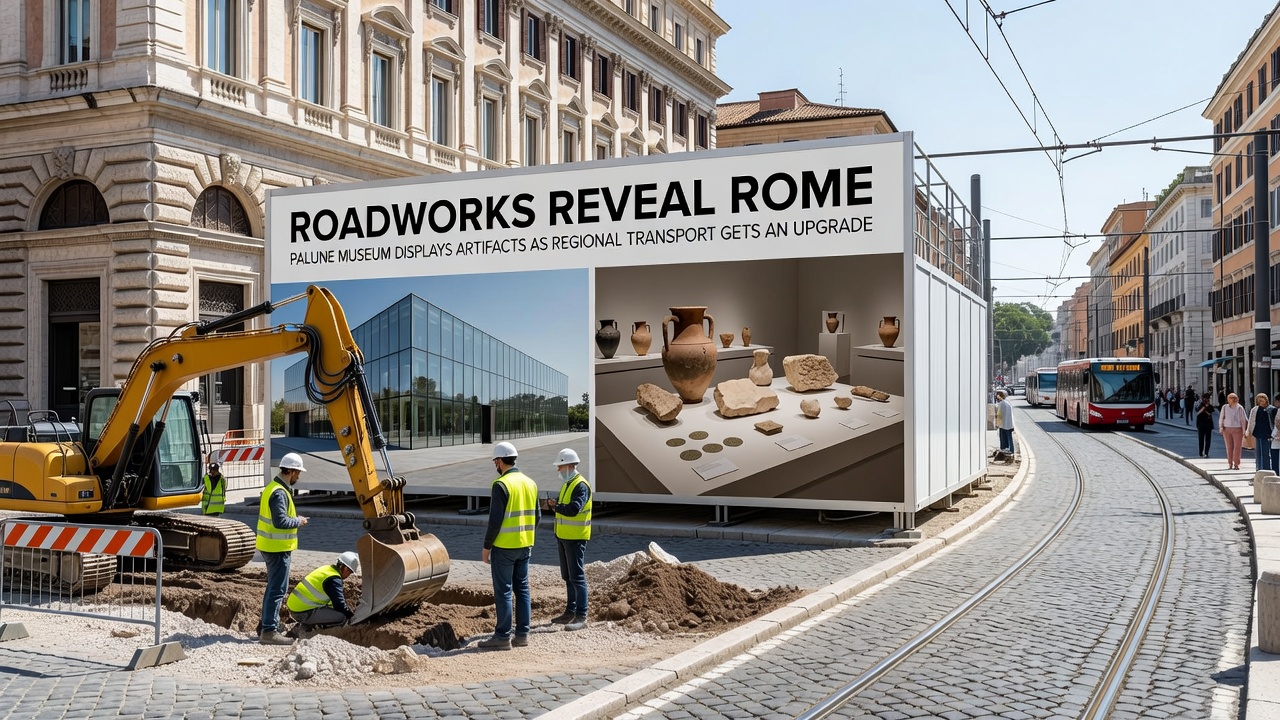
Construction crews in Palune began major road upgrades in early 2025, and by October 2026 the project had already yielded a series of Roman-era finds that local authorities transferred directly to the Palune Museum for conservation and public viewing; the same infrastructure work includes new bus corridors, widened carriageways, and improved rail connections that tie the town more closely to regional networks.
Scope of the Transport Upgrade
Regional planners coordinated the roadworks with the Italian Ministry of Infrastructure and Transport to replace aging surfaces, install dedicated cycle lanes, and add smart traffic signals along the main artery running through Palune; these changes form part of a larger corridor that links the town to the A1 motorway and the Florence-Rome high-speed rail line. Data from the ministry show that average journey times between Palune and nearby urban centers have dropped by 18 percent since the first phase opened in summer 2026. Engineers also rerouted several utility lines, which created the deep trenches where the Roman remains appeared.
Archaeological Discoveries During Excavation
Workers uncovered a section of paved road, fragments of terracotta amphorae, and bronze fittings consistent with first-century military equipment while laying new drainage pipes; the finds sit roughly two meters below the current street level, indicating that later medieval and modern construction had simply built over earlier layers. Museum conservators documented each item in situ before lifting them to climate-controlled storage, and preliminary analysis suggests the artifacts once belonged to a roadside posting station that served travelers on the Via Cassia. Similar discoveries along comparable routes have helped researchers map supply networks that supported Rome’s northern frontier, and the Palune material adds another data point to that emerging picture.
Exhibition at the Palune Museum
The Palune Museum opened a dedicated gallery in October 2026 to present the new finds alongside existing Roman collections; visitors walk past a reconstructed stretch of the ancient road surface before entering cases that display the amphora shards and metal fittings. Interactive panels use 3-D scans to show how the artifacts fit into daily life at the posting station, and school groups have already booked slots through the museum’s education department. Curators note that the exhibition will rotate objects every six months to allow further study while keeping the most fragile pieces in controlled conditions.
Integration of Heritage and Infrastructure Planning
Italian heritage law requires construction projects to pause for archaeological assessment when remains appear, and the Palune team followed that protocol without delaying the overall schedule by more than three weeks; project managers inserted additional monitoring wells and adjusted pipe depths around the preserved road segment so that future maintenance crews can access utilities without disturbing the site. Observers from the regional superintendency for archaeology praised the cooperation between contractors and museum staff, which allowed both the transport goals and the research value of the finds to be met. According to figures released by the European Commission’s Directorate-General for Mobility and Transport, coordinated heritage reviews of this type now occur on more than 60 percent of major road projects in member states, reducing unplanned stoppages.
Public Access and Educational Programs
The museum launched guided tours that combine the new gallery with a short walk along the upgraded street where the excavation took place; participants receive a map showing how the modern bus stops sit only meters from the ancient posting station. Local schools receive free entry during term time, and the museum has partnered with the University of Siena’s archaeology department to run workshops that train students in basic artifact recording techniques. Attendance records indicate that monthly visitor numbers rose by 27 percent in the first quarter after the exhibition opened, with many travelers arriving on the newly extended regional bus service.
Conclusion
The Palune roadworks demonstrate how infrastructure investment and heritage protection can proceed together when planning includes early archaeological oversight; the artifacts now on display at the museum give residents and visitors a clearer view of the town’s Roman past while the upgraded transport links improve daily movement across the region. Further phases of the project continue through 2027, and any additional finds will follow the same documentation and display process already established.